Fisheries and Our Community
Fishing has supported the people of American Samoa for generations and remains connected to our culture, food security, communities, and economy.
Today's fisheries range from village and small-boat fishing to longline and purse seine operations that connect Pago Pago to one of the world's most important tuna regions.
The Fisheries Task Force works to ensure that these different parts of American Samoa's fisheries are considered together when major policy decisions are made.
Why Tuna Matters to American Samoa
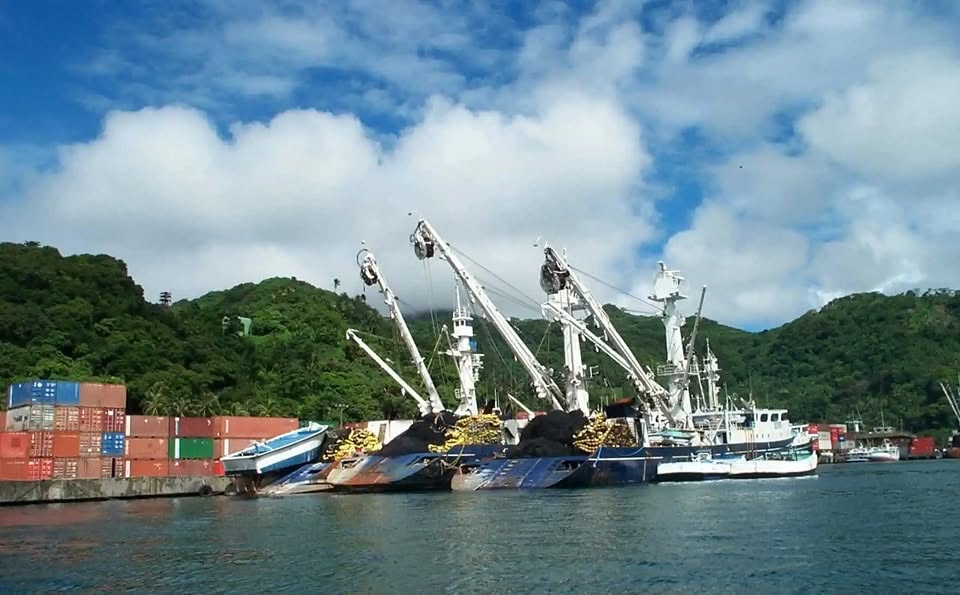
Tuna is more than a fishery for American Samoa. It supports a larger economic system involving fishermen, fishing vessels, seafood processing, Pago Pago Harbor, transportation, utilities, vessel services, local businesses, government revenue, and employment.
A healthy tuna economy therefore depends on several parts of the system working together: access to fishing grounds, sustainable tuna stocks, viable fishing fleets, a competitive processing industry, functioning port infrastructure, and fisheries policies that recognize American Samoa's unique economic dependence.
The American Samoa Longline Fishery
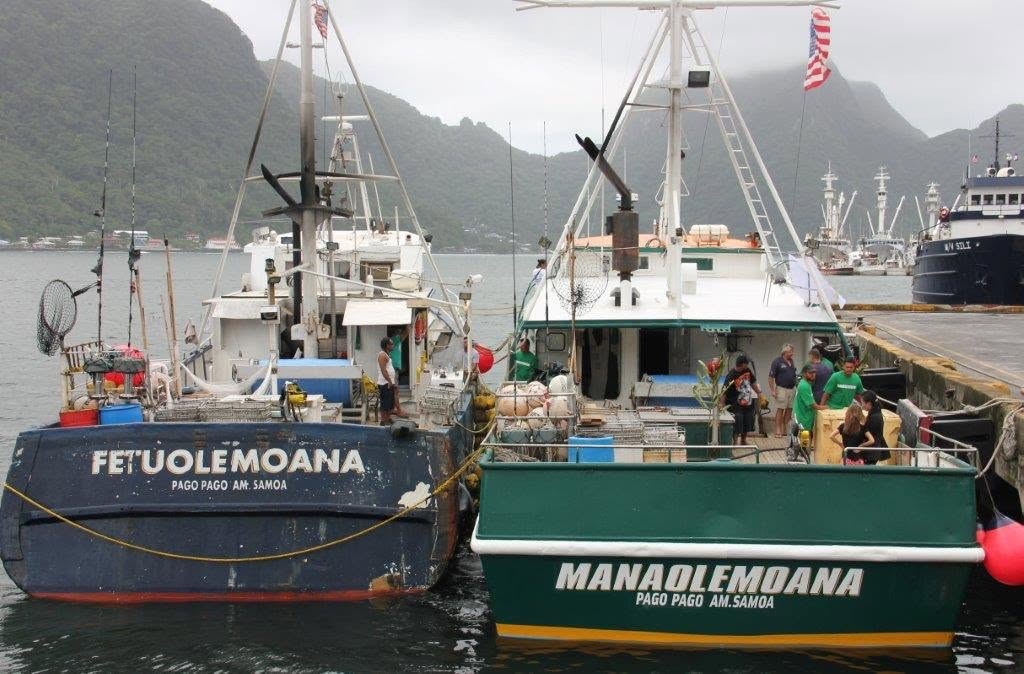
The American Samoa longline fishery primarily targets South Pacific albacore and supplies fish to the Territory's tuna processing industry.
The future of the fishery is affected by fishing access, fuel and operating costs, tuna abundance and distribution, international allocation decisions, federal regulations, and the economics of landing fish in Pago Pago.

Small-Boat and Alia Fisheries
Small-boat fishing remains an important part of American Samoa's food supply, economy, community life, and fishing tradition.
Local fishermen face challenges that may include vessel and equipment costs, fuel availability, access to ice and cold storage, ramps and docks, market opportunities, training, and reliable access to fishing grounds.
These challenges can be particularly significant in Manu'a and other remote communities.
What Is the WCPFC?
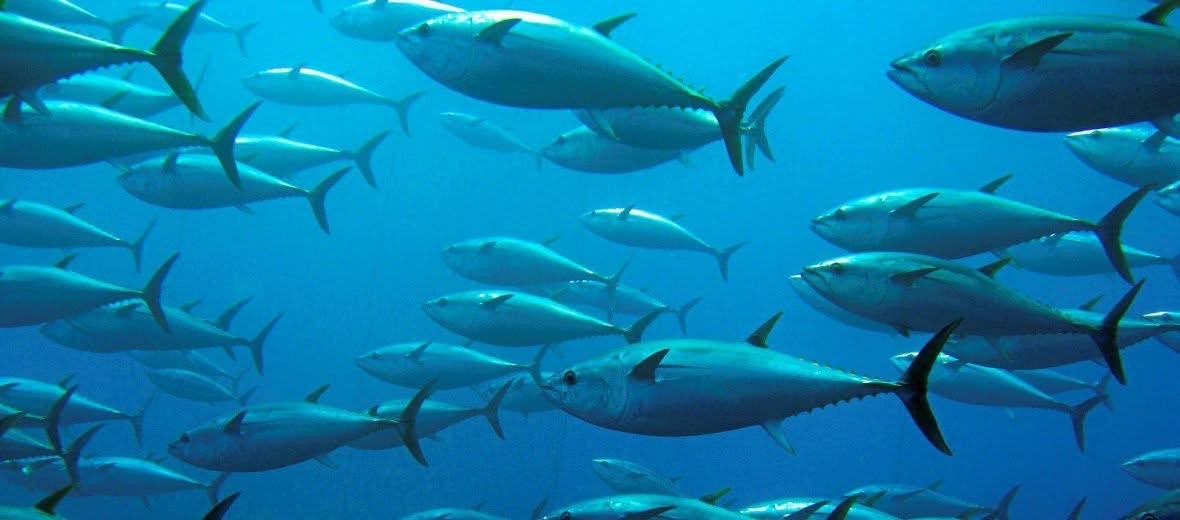
The Western and Central Pacific Fisheries Commission, commonly called the WCPFC, is the regional organization responsible for conservation and management of highly migratory fish stocks across much of the western and central Pacific Ocean.
Because tuna move across national waters and the high seas, decisions made through the WCPFC can directly affect fishing opportunities for American Samoa.
American Samoa participates in this regional process to protect the Territory's fisheries interests and help ensure sustainable management of the tuna stocks on which the Territory depends.
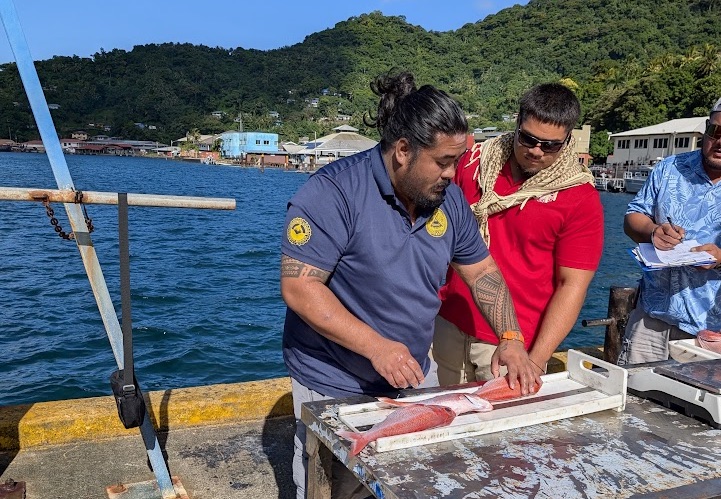
Why Fishery Data Matters
Good fisheries decisions depend on good information.
Catch, fishing effort, species composition, fishing location, biological information, and other fisheries data help DMWR and its partners understand what is happening in local fisheries.
Reliable data also strengthen American Samoa's ability to represent its interests before federal agencies, the Western Pacific Regional Fishery Management Council, and international fisheries organizations.
Have a Fisheries Issue to Raise?
The Task Force welcomes information from fishermen, villages, fishing businesses, community organizations, and members of the public.